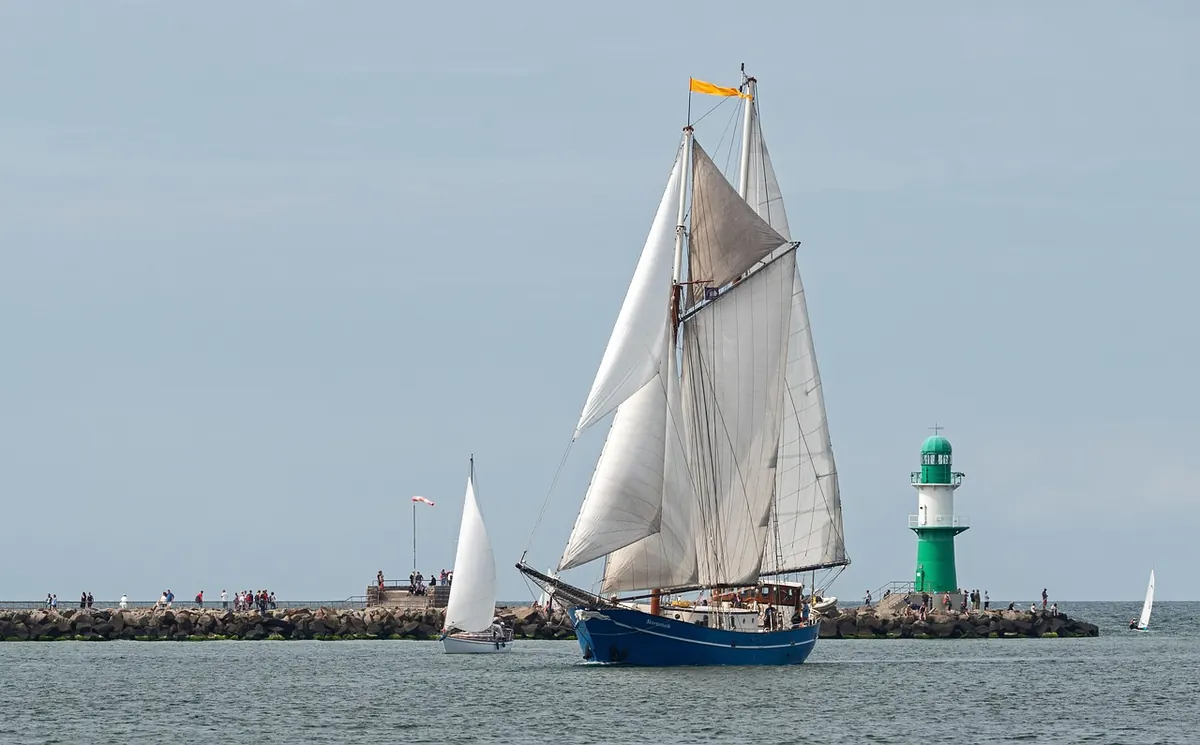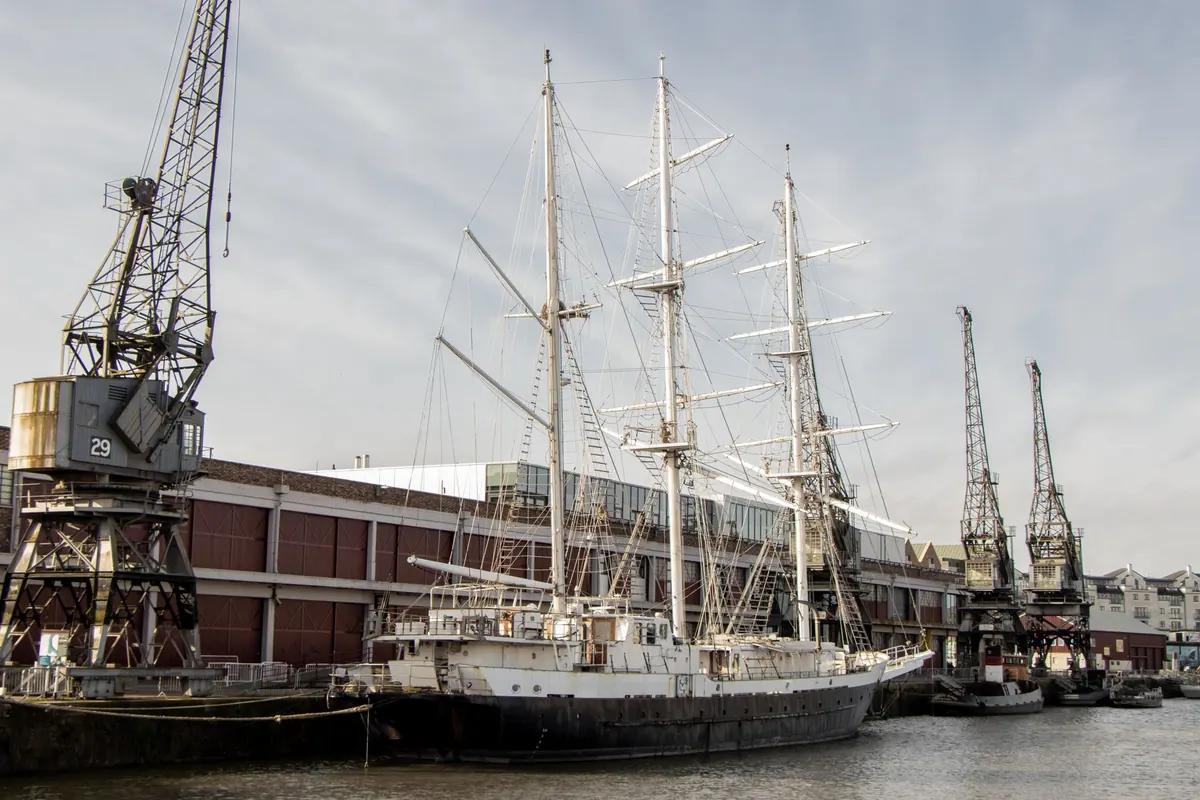

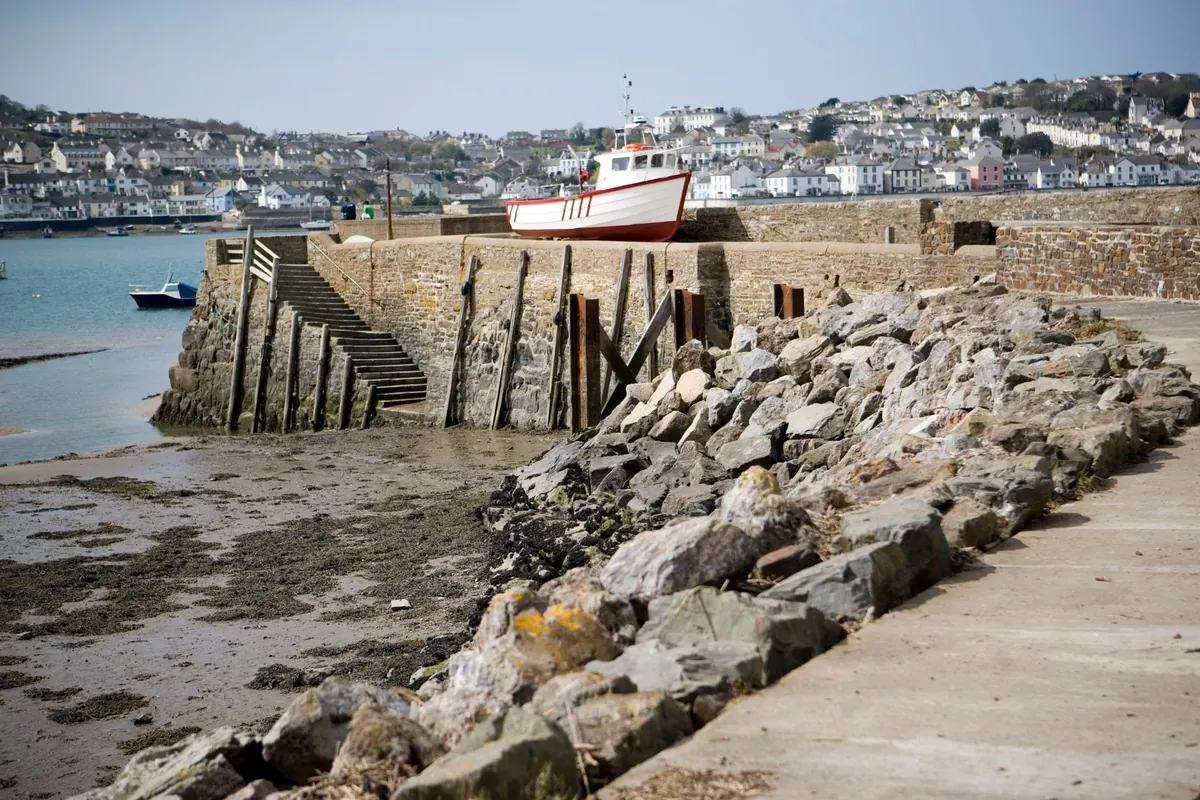
The passage is over. The breakwater is right there, the town is lit up behind it, and the crew is already thinking about dinner. Then a ferry horn sounds from behind a mole you cannot see past, a gust rolls down the harbor wall, and the four minutes you have just stopped thinking about become the four minutes that matter most. Harbor entry is not a test of seamanship in heavy weather. It is a test of attention, in the gentlest possible conditions, at exactly the moment when attention is easiest to lose.
The boats that look effortless coming alongside — the ones where nobody shouts and nobody jumps — are rarely crewed by better sailors. They are crewed by people who did the boring things early. This is the checklist those people run, roughly in this order, from about a mile off.
Start the Radio Well Before the Breakwater
Call the harbor before you need something from it. If the marina, harbor master or lock keeper monitors a working channel — check your pilot book, almanac or the notice boards at the entrance — make contact a mile out, not ten metres out. At a mile you still have time to be told the visitor berths are on the far pontoon, that the fuel dock is closed for dredging, or that you should wait for the outbound dredger.
Keep it short and useful. A good call contains, in order:
- Who you are calling — the harbor name, or the marina's call sign as published.
- Who you are — the vessel name, spoken twice if it is unusual or short.
- Where you are — distance off a known landmark or the breakwater head, plus your heading.
- What you want — a berth for the night, permission to enter, or simply a request for their listening channel and any local restriction in force.
Then stop transmitting and listen. If nobody answers, wait a reasonable interval and try once more on the channel the harbor publishes; do not start calling on every channel in sequence. Write down what you are told. A berth number heard once at a mile out will be gone from memory by the time you are inside the basin, especially with the engine noise, the crew talking and the lines coming out.
Keep a Listening Watch on the Approach
Two channels matter: the harbor's working channel, and the local traffic or port operations channel. Keep both in a scan, or keep the harbor channel up and the other on a second set if you have one. In busy summer harbors, a lot of the picture is audio rather than visual — a motor cruiser asking for the fuel berth, a tug announcing it is moving a barge, the harbor launch telling everyone which side of the fairway to keep clear.
Outside the radio, build the picture with your eyes and ears. Look for the ferry you can hear but not see. Note which boats are under way and which are still tied up with nobody in the cockpit. Any vessel showing two black shapes or a day signal of any kind deserves a second look and a lot of room. And watch for the paddlers, swimmers and small tenders that appear near harbor entrances precisely because the water is flat — they are often invisible until they are close, and they always have right of way in practice, whatever the rules say.
Rig the Boat Before the Maneuver
Fenders and lines go out early — before the turn into the fairway, not during it. The reason is simple: on the final approach you are steering, watching the berth, and talking to the crew. You cannot also be knotting a spring line to a stern cleat.
Set fenders for the side you expect to come alongside, and think about height. A fender hung for a low quay will be useless against a high concrete ferry wall; a fender hung low can be pushed up and out of position by a rising tide. If you are unsure which side you will end up on, hang a couple on the other side too. Nobody has ever regretted looking slightly over-prepared in a marina.
Lines next. Have a bow line, a stern line and at least one spring line on deck, led from the outside of the hull so they can be handed across without being passed around stanchions. Put a leader aboard each one — a working line with no eye, long enough to reach from your cleat to the quay and back. Coil them, hang them where you can reach them, and put a person on each line who knows which one is theirs. Two people holding the same length of rope while nobody holds the stern is the classic last-mile confusion.
Plan the Approach Out Loud
Before you turn the corner, tell the crew what is going to happen. Two minutes of talking saves a great deal of hand-waving later. Cover the essentials:
- The target berth — where it is, which side, and what you expect to be alongside it.
- The approach angle and speed — slow, controlled, in gear rather than largely in neutral, so you always have control.
- Wind and current — which way they are acting, and whether they will push you on or blow you off. Look at flags, other boats lying at anchor, and the scum lines on the water.
- The escape route — where you will go if the berth is occupied, the space is smaller than it looked, or the engine coughs. Decide on an abort point and say it out loud.
- Who does what — who is on the bow line and who is on the stern, who speaks to the dock, and who stays quiet.
Assign one voice. On a small boat, only the person handling the lines or the person at the wheel needs to give directions — two people calling "more, more, stop, stop" is how gelcoat is lost. If the crew on deck has a better view of the gap, agree in advance that their word is final.
Slow Down More Than Feels Natural
The most common harbor entry error is arriving too fast, usually because the skipper wants to keep steerage way in a crosswind. That instinct is not wrong, but it is usually applied too early. Carry your speed to the mouth of the fairway, then shed it: a good approach has the boat almost stopped with only the momentum it needs, and the engine in gear to give you a push when you want one.
Use fixed points to judge progress — a moored boat, a ladder, the corner of a shed — rather than guessing from the widening gap. If you overshoot the berth, do not fight it with bursts of reverse while the boat is still moving; go round, or ask the harbor for the next berth. Turning away and coming back looks composed. Catching a pulpit on a cleat does not.
The Closing Move
Coming alongside is a controlled drift, not a docking maneuver. Bring the boat parallel to the quay, close enough that a line can be stepped ashore rather than thrown, then let the lines do the work — engine gently ahead on a bow spring, or astern on a stern spring, to hold the hull against the wall while you sort out the rest. Get the leeward-side lines on first if the wind is blowing you off. If you have a choice, take the berth that lets the prevailing wind or current push you away from the pontoon rather than onto it; leaving is easier and nobody damages anything trying to stop a boat from being blown on.
Only when all lines are fast, the engine is off, and the boat is not going anywhere should anyone step ashore with a bag or a booking confirmation. The tide will not have changed in the thirty seconds it takes.
A Five-Minute Habit
None of this is complicated. It is a sequence: radio, listen, rig, brief, slow down, arrive. Run it in the same order every time and it becomes automatic — the fenders go out at the same point on the chart, the same person takes the bow line, the abort point gets said out loud even when the harbor is empty.
Try it on a calm Tuesday, when there is no audience and no wind. Then, on the Saturday in August when the harbor is full, a ferry is turning in the basin and the wind is piping up the fairway, the last mile will feel like what it should be: the quiet, easy bit at the end of a good passage.