

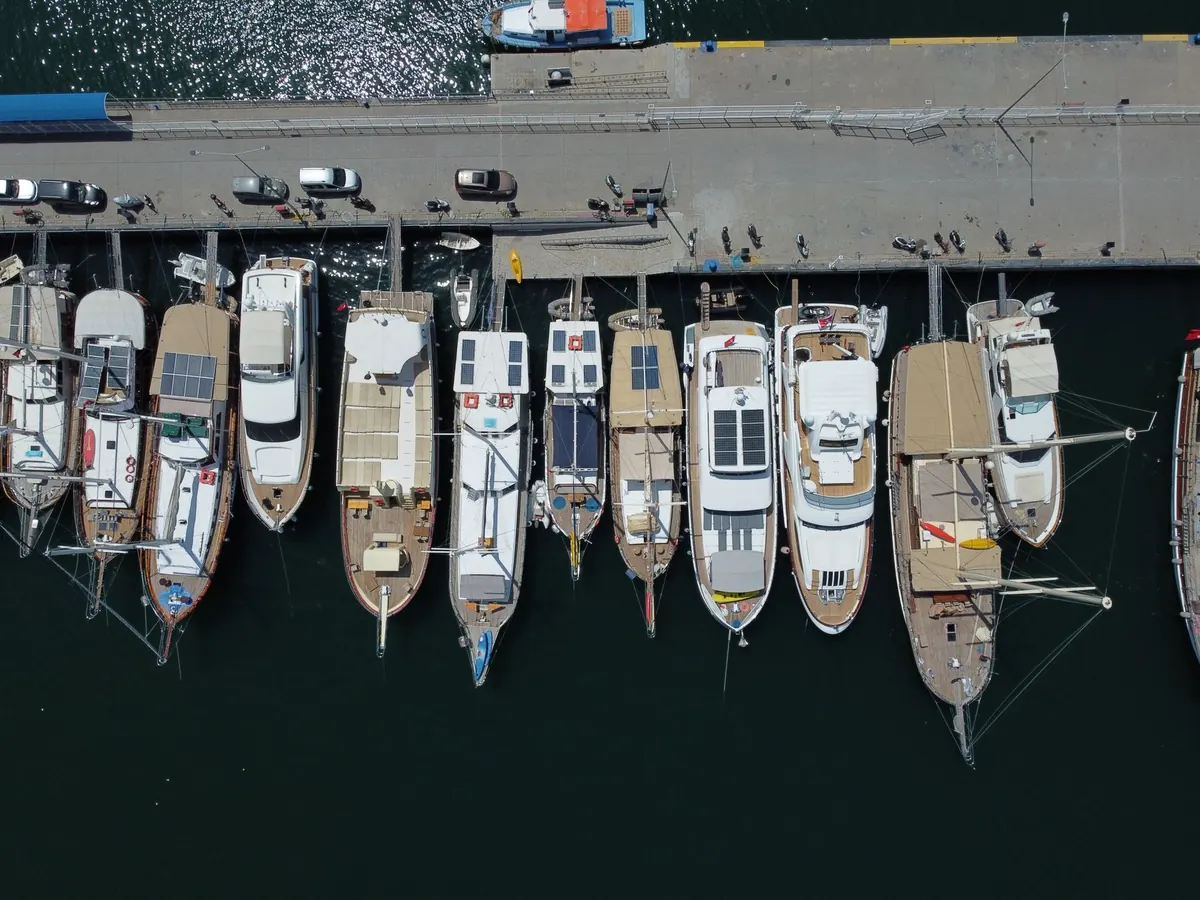
You can learn a lot about a marina in the first thirty seconds after you round the breakwater. Some feel like a parking lot with pilings; others feel like a village that happens to float. The difference is rarely the facilities. It is the people, and the small habits they keep without anyone writing them down.
Berthing in a busy marina means joining a neighborhood with very thin walls. Not walls, really, but hulls. Sound travels across water in ways that surprise first-time visitors, and so do smells, motion and mistakes. The formal rules live on the noticeboard by the office door. The rest you pick up by watching, by asking, and by erring toward being the quieter, more considerate boat. Here are the ones that matter most.
Quiet Hours Begin Before the Sign Says So
Most harbors post quiet hours, usually from late evening until early morning, but the spirit of the rule stretches well past the printed times. A windlass running at half past six on a Sunday travels the length of the pontoon. So does a generator, a pressure washer, or a halyard slapping against an aluminum mast in a two-knot breeze.
Listen to your own boat from the dock before you turn in. Walk ten meters away and stand still for a minute. You will hear things you cannot hear from the cockpit: a loose shackle ticking, a fender squeaking against a toe rail, a dinghy painter tapping the transom. Fix them. A short length of bungee takes the slack out of a halyard. A folded towel under a rattling block costs nothing. A headlamp beats a floodlight when you come back late.
The sounds you don't hear from your own boat
Music is the other classic. Your cockpit speakers point outward, not inward, and what sounds mellow at your own table can be a dull drumbeat inside the cabin two fingers away. Keep it low after dark, and take the phone call inside the saloon rather than pacing the finger pier.
Lines, Cleats, and the Art of Not Touching Another Boat
Line handling is where courtesy becomes physical. On the dock, take a thrown line, but do not haul on it. Wait for the skipper to call the distance, then take up slack gently around a cleat and let them finish. If you are the one arriving, have your bowline ready and your fenders out before you enter the fairway, not while your bow is drifting down on the neighbor's topsides.
Once you are tied up, treat the boats around you as private property with a hull that scratches. Never step aboard an unattended boat to reach the dock, even if it saves you a long walk. Do not move someone else's spring line to make room for yours. Do not adjust their fenders. If your neighbor's line is clearly chafing through on a rough evening, knock, call out, and offer the fix. If nobody answers, mention it at the office rather than climbing aboard to deal with it yourself.
Helping from the dock
When a boat is coming in and the crew looks nervous, the best assistance is calm and specific. Take the line you are handed, put it around the cleat the skipper is aiming for, and say clearly what you have done. Avoid shouting instructions unless someone asks. A crowded fairway with three self-appointed docking coaches is how damage happens.
Waste, Water, and What Goes Where
Marinas are small, closed systems. Everything you leave behind stays in the water or in the bins, and often in the noses of the people tied up beside you. The general principle is simple: nothing over the side except a clean anchor.
- Holding tanks: find the pump-out station on your first walk, before you need it, and learn how the fittings work. Do not rely on "out at sea later" as a plan.
- Household rubbish: sort it as the local signs ask. Marinas often have separate streams for glass, cans, paper and general waste, and mixing them can mean the whole bin goes to landfill.
- Fishing line and hooks: never loose in a bin. Coil it, tie it, and put it somewhere it cannot blow out and wrap around a propeller or a bird.
- Oils and filters: to the collection point, not the water, not the drain. Keep an absorbent pad under the engine when you service it.
- Cooking oil and food scraps: in the bin, not overboard. Gulls learn fast, and a flock of them on your neighbor's canvas is your fault, not theirs.
- Hoses and taps: use your own water supply where you have one, coil the hose after use, and do not wash the deck with the tap that serves six berths.
If you are unsure where something goes, ask. Nobody at the office minds the question. They mind the surprise.
The Dock Is a Shared Living Room
A finger pier three feet wide is both a corridor and a front garden. Keep it clear. Dock carts go back to the rack when you are done, not parked against someone's boarding gate. Bicycles, folding chairs, paddleboards and half-dismantled outboards left on the pontoon become obstacles for anyone carrying a jerry can in the dark.
Slow down, too. A brisk walk with a loaded trolley is fine; a scooter, a skateboard or a running child on a wet pontoon is not. If you fish from the dock, keep well clear of moored boats and their lines, and ask before casting anywhere near a stern where someone is working. And give people their privacy: a cockpit is a living room with a good view, so glance, smile, and keep moving.
Ask, Offer, and Know When to Step Back
Marina communities are generous with help and short on patience for lectures. Offer to take a line, lend a boat hook, or share a bit of local knowledge about the fuel berth or the shortcut to the chandlery. But do not reach for someone's rigging, do not retune their mooring lines unbidden, and do not deliver a seminar on their anchoring technique from the dock. If a neighbor asks for a hand, ask what they actually want before you grab anything.
The reverse also applies. When you need assistance, be specific: "Could you take my bow line and hold it while I back down?" is a request people can act on. A vague wave and a hopeful expression usually just produces spectators.
The Office Knows More Than the Noticeboard
Check in properly when you arrive, even if you have paid online. Ask which VHF channel the harbor monitors, where visitors' berths are, what the gate code is, and how to reach someone after hours. Tell them if you are leaving early, if you will be away for a week, and how to reach you if your lines need attention. Leave a mobile number on the berth record.
Report what you see. A neighbor's stern line chafing on a cleat, a hose leaking at four in the morning, a boat dragging in a squall. This is not gossip; it is the informal watch that keeps the whole pontoon safe.
A Short Checklist Before You Cast Off
When you leave, walk your own berth as if you were the next arrival. Run through this in order:
- Coil and stow every line that is yours; check the ones that stay behind are not chafing.
- Switch off shore power, close the inlet, and coil the cable neatly on its hook.
- Return the dock cart, the hose and anything borrowed to where it belongs.
- Take your rubbish and recycling with you if the bins are already full.
- Say goodbye to the boat beside you, and leave your contact details with the office.
None of this appears in a berthing contract, and that is exactly why it works. A marina runs on dozens of small, unglamorous courtesies repeated by people who would like to come back next season and be welcomed. Do those, and the boat next door will take your lines without being asked.